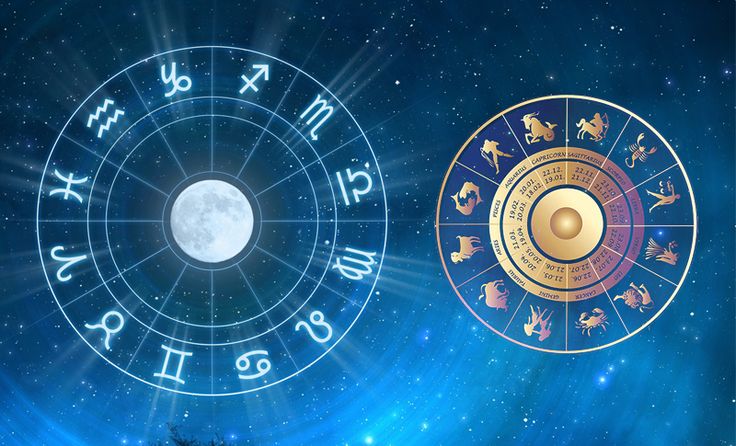
Difference Between Vedic and Western Astrology
About
Astrology in its many forms aims to illuminate human existence through the lens of the stars. Two of the most deeply practiced systems are Vedic astrology—also known as Jyotish, rooted in ancient Indian Vedic scriptures—and Western astrology, which evolved through Babylonian, Greek, Roman, and Renaissance traditions. While they share a common vocabulary—zodiac signs, houses, planets—their methods, philosophies, and interpretations diverge profoundly.IntroductionIn this exploration, we’ll dive deeply into these differences across historical origins, zodiac systems, chart structures, planetary tools, interpretive focus, predictive methods, spiritual framework, timing tools, remedial measures, and practical uses. Think of it as both a comparative guide and a narrative journey—perfect for astrology practitioners, curious readers, and seekers looking to understand which system resonates most.1. Zodiac SystemVedic (Jyotish): Uses the Sidereal Zodiac, based on the actual constellations in the sky.Western: Uses the Tropical Zodiac, fixed to the seasons (Spring starts with Aries, regardless of star positions). Result: Most people’s signs shift by about 23–24 degrees in Vedic astrology—your Sun, Moon, or Rising sign might change. 2. Focus PlanetVedic: Focuses on the Moon sign and Nakshatra (lunar constellation).Western: Focuses on the Sun sign (your “main” sign in horoscopes). Vedic Moon reflects emotional mind, Western Sun reflects core identity. 3. Planets UsedVedic: 9 "Grahas" — Sun, Moon, Mars, Mercury, Jupiter, Venus, Saturn + Rahu and Ketu (shadow planets).Western: 10 planets — including Uranus, Neptune, and Pluto. Outer planets are not used in traditional Vedic readings.4. Chart & House SystemVedic: Uses whole sign houses, with square or diamond charts.Western: Uses Placidus or equal house systems, drawn in circular charts.A planet may fall in different houses depending on the system. 5. Aspects and InterpretationVedic: Emphasizes planetary aspects based on signs, and yogas (planet combinations).Western: Uses geometrical aspects (angles like squares and trines) for psychological analysis. 6. Timing ToolsVedic: Very predictive, uses Dashas (planetary periods) and transits.Western: Uses transits, progressions, and solar returns for timing and trends.Vedic offers more structured timing for events like marriage, career changes, etc.7. Philosophy & PurposeVedic: Rooted in karma, dharma, past lives, and spiritual evolution.Western: Focuses on self-understanding, psychology, and free will. 8. RemediesVedic: Recommends gemstones, mantras, rituals, fasting, and pujas to balance planets.Western: Suggests personal development, shadow work, therapy, or lifestyle changes.Summary: Side-by-SideFeatureVedic AstrologyWestern AstrologyZodiacSidereal (star-based)Tropical (season-based)Primary FocusMoon + NakshatraSun signPlanets9 Grahas (no Uranus/Neptune/Pluto)Includes all modern planetsChart StyleSquare/Diamond, whole sign housesCircular, Placidus or equal housesInterpretationPredictive, karmic, event-focusedPsychological, symbolic, personality-basedTimingDashas + TransitsTransits, Progressions, ReturnsRemediesRituals, Vedic remediesSelf-reflection, personal insightWhich One Should You Use?Choose Vedic if you want:Accurate timing predictionsInsights into karma, past lives, destinyTraditional spiritual remediesChoose Western if you want:Deep psychological insightModern, symbolic self-understandingTools for personal development